Best Mattress Size for Toddler: What Fits?
Best Mattress Size for Toddler: What Fits?
That first move out of the crib can feel bigger than it looks. Parents are usually balancing two things at once - keeping bedtime safe and cozy now, while also avoiding a purchase they will outgrow too fast. If you are wondering about the best mattress size for toddler sleep, the answer depends on your child’s age, sleep habits, room layout, and how long you want the bed to work for your family.
For some households, a toddler mattress is the clear fit. For others, going straight to a twin saves money and hassle over time. The right choice is less about a universal rule and more about how your child actually sleeps, climbs, wiggles, and grows.
Best mattress size for toddler sleep starts with the bed frame
Most toddlers move from a crib to either a toddler bed or a twin bed. That detail matters because the mattress size is usually decided by the frame.
A standard crib mattress is about 28 inches by 52 inches. Many toddler beds are built to use that same mattress, which makes the transition simple. If your child is already sleeping well on their crib mattress and has not outgrown it physically, reusing it in a toddler bed can be the easiest next step.
A standard twin mattress is much larger at about 38 inches by 75 inches. That extra length and width gives your child more room to move and gives you a bed that can last for years. It is often the practical long-term option, especially if you would rather skip one transitional purchase.
So what is the best mattress size for toddler years in real life? If you want the smallest, most familiar setup for a younger toddler, a crib mattress in a toddler bed works well. If you want room to grow and do not mind a bigger footprint, a twin is usually the better investment.
When a toddler mattress makes the most sense
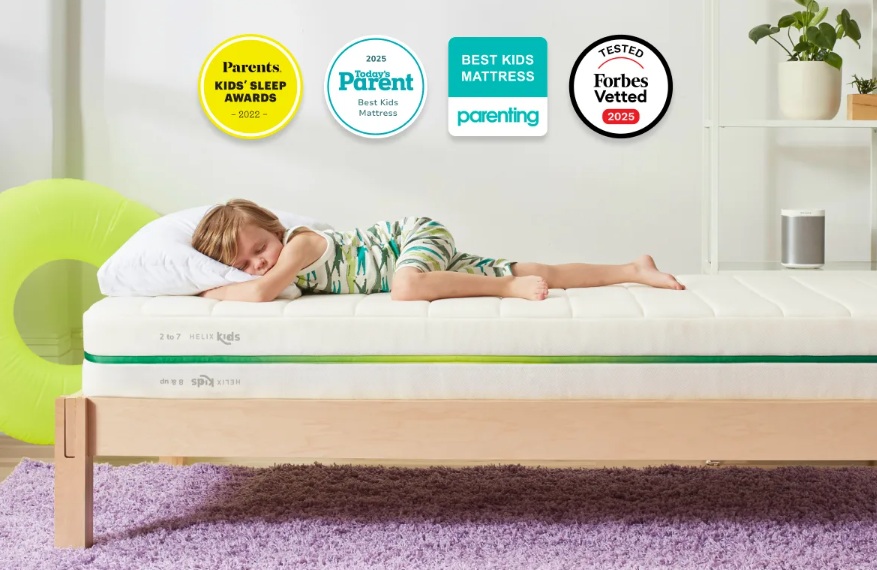
A toddler mattress is really the same size as a crib mattress, just used in a toddler bed frame. This setup tends to work best for children around 18 months to 3 years old who are newly out of the crib and still benefit from a snug sleep space.
There is a comfort factor here that parents sometimes overlook. A smaller mattress can feel secure to a little one who is not ready for a wide-open bed. It also keeps the sleep surface lower to the ground in many toddler bed designs, which can make parents feel better about those early independent nights.
This size also makes sense in smaller bedrooms, shared spaces, or homes where you are trying to keep the nursery layout mostly intact. If the room is tight, a toddler bed leaves more floor space for play, storage, and all the other furniture that tends to collect around young kids.
The trade-off is longevity. Even if the mattress is still technically usable, many children outgrow the feel of a toddler bed fairly quickly. Taller toddlers, active sleepers, and kids who like having a parent sit with them at bedtime may push you toward the next size sooner than expected.
When a twin is the better choice
If your child is already climbing, stretching out, or looking cramped on a crib mattress, a twin may be the smarter move. A twin gives much more room for rolling, changing positions, and growing into the bed over the next several years.
It also tends to make sense for families who want to buy once and be done for a while. Instead of purchasing a toddler bed now and a twin later, you can move directly to a size that works into the elementary school years and beyond.
There are everyday convenience benefits too. Twin bedding is easy to find, and a twin bed can be more comfortable when a parent needs to lie down during stories, illness, or rough nights. That may not be the deciding factor, but at 2 a.m., it often feels like one.
The downside is that a twin can feel big for a very young toddler. Some children adjust immediately. Others do better with guardrails, a lower-profile frame, or a little extra time before making the switch. If you go this route, focus on a setup that feels approachable rather than oversized.
Safety matters more than size alone
The best mattress size for toddler transitions is not just about dimensions. It also has to support safe sleep habits.
The mattress should fit the frame correctly, with no large gaps along the sides. A sleep surface that shifts or leaves space around the edges is not a good match, no matter how comfortable the mattress feels otherwise. If you are reusing a crib mattress in a toddler bed, make sure it still fits snugly and has not lost support.
Firmness matters too. Toddlers usually do best on a mattress that is supportive rather than overly soft. Plush may sound inviting, but a sleep surface with solid support is often the better choice for consistent comfort and easy movement.
Bed height is another practical piece of the puzzle. A low bed can help reduce tumbles during the transition period. If you choose a twin, pairing it with a lower frame or simple foundation can make that larger bed feel much more toddler-friendly.
Room size and family routine should guide the decision
A toddler bed is not automatically better just because your child is little. A twin is not automatically better just because it lasts longer. The best fit often comes down to your room and your routine.
In a compact bedroom, a toddler mattress may preserve valuable space and keep the room easier to use. In a larger room, a twin may slide in naturally without crowding dressers, baskets, or play areas.
Think about bedtime, too. If one parent often sits or lies next to your child for wind-down time, a twin gives you more flexibility. If your toddler sleeps independently and likes a cozy nest-like setup, a smaller bed may support that transition better.
There is also the question of timing. If your child is just barely ready to leave the crib, going to a toddler mattress can make the change feel gentler. If they are already nearing preschool age or seem physically too big for the crib mattress, a twin often makes more sense than stretching the toddler stage.
What mattress type feels best for toddlers?
Once you settle on size, comfort comes next. For toddlers, the goal is usually balanced support, dependable durability, and easy care.
Memory foam can offer a cushioned feel, but for younger children, you generally want something supportive and not too sink-in soft. Innerspring and hybrid models can also work well, especially if they create a stable, breathable sleep surface. Natural materials may matter to some families, while others are mostly focused on budget and cleanup-friendly protection.
This is one of those times when trying to buy the softest mattress in the room is not really the point. Toddlers need comfort, but they also need a mattress that supports movement and holds up through growth, spills, and all the unpredictability that comes with early childhood.
A quality mattress protector is worth thinking about from day one. Even the best mattress size for toddler sleep will not feel like a great purchase if it is hard to keep clean.
A simple way to decide
If your child is younger, smaller, newly out of the crib, and sleeping in a compact room, a toddler bed with the crib mattress is usually a smart and comfortable next step.
If your child is taller, more active in sleep, nearing preschool age, or you want a longer-lasting option, go with a twin. For many families, that ends up being the better value and the smoother long-term choice.
And if you are stuck between the two, ask yourself one practical question: do you want the best fit for this stage, or the bed that carries you through the next several stages? That answer usually points you in the right direction.
At Aww Sleep, we know even a small sleep change can feel like a big family decision. The right mattress size should make bedtime easier, mornings happier, and the whole room feel a little more settled. Choose the option that fits your child today, but do not be afraid to plan for the growth that is coming faster than you think.