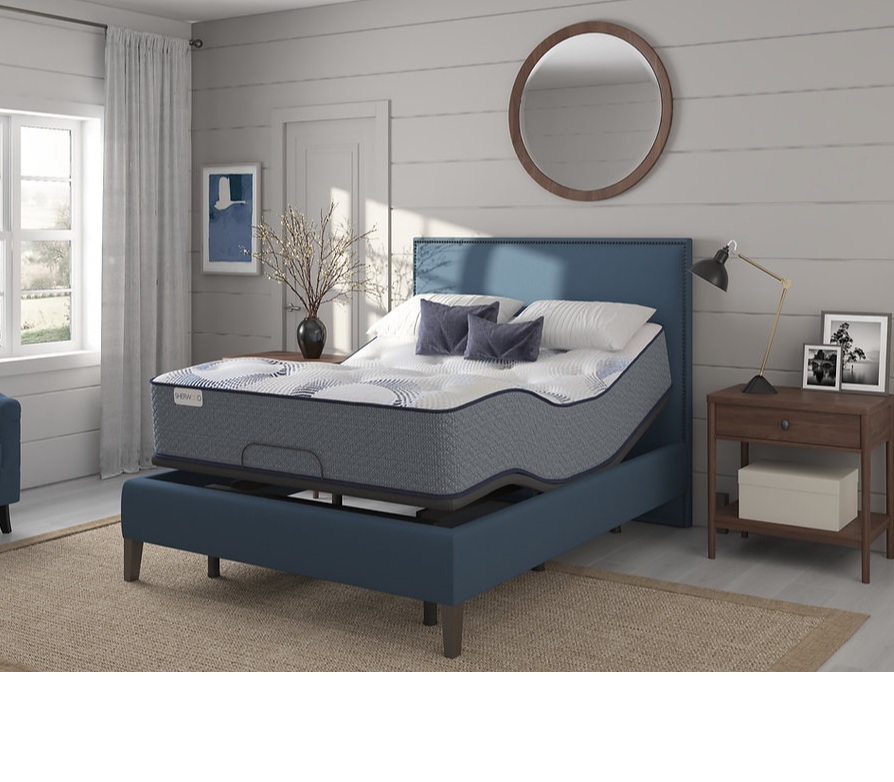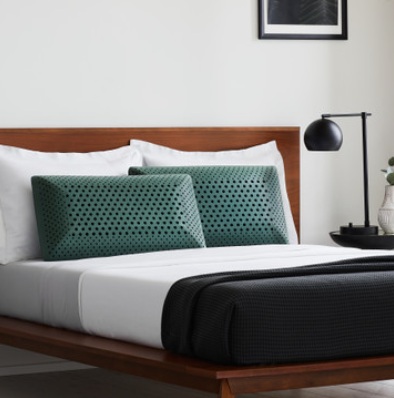
How to Know Mattress Size Before You Buy
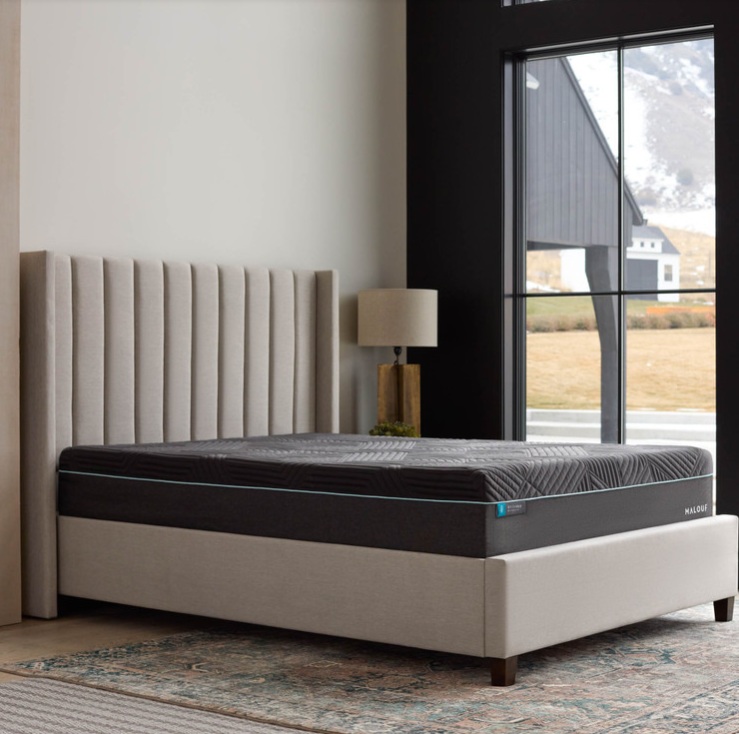
How to Know Mattress Size Before You Buy
A mattress can look perfect online or in a showroom, then feel completely wrong once it lands in your bedroom. That usually happens when comfort gets all the attention and size gets treated like an afterthought. If you’re wondering how to know mattress size before you buy, the answer is part measurement, part room planning, and part honesty about how you actually sleep.
The good news is that mattress sizing is not complicated once you know what to check. A few careful measurements can save you from a bed that crowds the room, leaves your feet hanging off the edge, or gives couples less space than expected.
How to know mattress size starts with real measurements
The first step is measuring your current mattress or bed frame, not guessing based on memory. Many people assume they have a queen because it feels "average," or a full because it is smaller than the primary bed. But assumptions can be off, especially with older frames, hand-me-down furniture, or mattresses that have softened and changed shape over time.
Use a tape measure and check the width from side to side and the length from head to foot. Measure in inches, and do it at the widest and longest points. If your mattress has rounded edges or a pillow top that overhangs slightly, focus on the actual sleeping surface and the frame opening.
Standard mattress sizes are usually:
- Twin: 38 inches wide by 75 inches long
- Twin XL: 38 inches wide by 80 inches long
- Full: 54 inches wide by 75 inches long
- Queen: 60 inches wide by 80 inches long
- King: 76 inches wide by 80 inches long
- California King: 72 inches wide by 84 inches long
These dimensions are the starting point, but there can be slight variations by brand and construction. That matters most when you are pairing a mattress with an existing platform bed, adjustable base, or tight-fitting frame.
Don’t just measure the mattress - measure the room
A mattress can technically fit in a bedroom and still make the space feel cramped. Before choosing a size, measure the room itself and think about the layout you want after delivery day, not just where the bed will sit.
You’ll want enough space to walk around the bed, open dresser drawers, access closet doors, and make the bed without wrestling the wall every morning. For many households, a queen works well because it balances sleeping space and floor space. A king can feel wonderfully spacious for couples, but in a smaller room it may leave very little breathing room.
As a general rule, try to leave at least 24 to 30 inches of walking space on the sides or foot of the bed where possible. If your room is more compact, that number may flex a bit, but the smaller the clearance, the more noticeable it becomes in daily life.
This is where trade-offs come in. A larger mattress often feels better at night, especially for couples or restless sleepers. A slightly smaller mattress may make the whole bedroom function better during the day. The right choice depends on whether sleep space or room flow is your bigger priority.
How to know mattress size for your sleep habits
Your body size and sleep style matter just as much as the tape measure. A mattress that fits one sleeper comfortably may feel tight for another.
If you sleep alone and like a cozy setup, a twin or full may be enough in a guest room or smaller space. If you stretch out, change positions often, or simply prefer extra personal space, a queen can feel much more comfortable even for one person.
For couples, full mattresses are often the first size people outgrow. A full gives each person less room than a crib mattress is wide. That can work for some, but it tends to feel restrictive if either sleeper tosses and turns, sleeps warm, or shares the bed with kids or pets who sneak in overnight.
Queens are the most popular for a reason. They offer a strong middle ground for many primary bedrooms. Kings are a great fit when both sleepers want more elbow room, while California kings can be a smart option for taller individuals who need extra length more than extra width.
If anyone sleeping on the mattress is over six feet tall, pay close attention to mattress length. A standard 75-inch mattress can feel short fast. Twin XL, queen, king, and California king all offer more length and usually better support for taller sleepers.
Bed frame size can be misleading
One common mistake is measuring only the outer edge of the bed frame. Decorative frames, headboards, side rails, and upholstered designs can add several inches beyond the mattress itself. That means a frame labeled for a queen mattress may take up much more floor space than a simple platform base.
If you are replacing only the mattress and keeping your current frame, confirm the inside dimensions where the mattress actually rests. If you are buying both, look at the footprint of the full setup, including any headboard projection and room needed for adjustable bases to move freely.
This matters even more in condos, guest rooms, and smaller Florida homes where every inch counts. It also matters if your bed sits near windows, doors, or nightstands that already make the room feel busy.
Standard sizes help, but your setup may change the answer
Mattress size is not only about sleep. It is also about what sits underneath and around it. Adjustable bases, foundations, bunk beds, platform beds, and split configurations can all affect what size makes the most sense.
For example, a king mattress can be ideal for space, but some shoppers prefer split king setups when using an adjustable base because each side can move independently. A guest room might comfortably fit a queen, but if the space also needs to function as an office, a full could offer better flexibility.
Families also tend to think about mattress size differently. A child moving out of a twin into a “big kid” bed may do well with a full if the room allows. A retiree upgrading the primary bedroom may prioritize easier movement around the bed rather than choosing the largest size possible.
There is no single best mattress size. There is only the size that works best for your room, your body, and your routine.
How to know mattress size when comparing queen, king, and full
If you’re stuck between common sizes, it helps to think in real-life terms instead of just dimensions.
A full is often best for solo sleepers, teens, or guest rooms. It saves space, usually costs less, and can be easier to move. The downside is that it gets tight quickly for two adults.
A queen is the most versatile choice for many households. It gives couples more room without overwhelming an average bedroom. Bedding and accessories are also easy to find. For many shoppers, this is the sweet spot.
A king delivers generous width and a more luxurious feel. If one or both sleepers move a lot, or if pets share the bed, the added space can make a real difference in sleep quality. The trade-off is that it needs a larger room and often a larger budget, not just for the mattress but for the frame, foundation, and bedding too.
California king is usually chosen for height, not because it is “bigger” in every direction. It is narrower than a standard king but longer. Taller sleepers often love that extra legroom, while couples who care most about width may prefer a standard king instead.
A simple way to double-check before buying
If you want a practical test, mark the mattress dimensions on your floor using painter’s tape. It takes only a few minutes and gives you a much more honest picture than reading numbers on a product page.
Walk around the taped outline. Open drawers. Stand where your nightstands will go. Imagine changing the sheets or getting in and out of bed half asleep. If the outline makes the room feel crowded now, it will not feel more spacious after the actual bed arrives.
This trick is especially helpful when upgrading from a full to a queen or queen to king. On paper, the change may seem small. In a real room, those added inches can change traffic flow, furniture placement, and the overall feel of the space.
When expert help makes the process easier
Sometimes the hardest part is not measuring. It is translating those measurements into a setup that feels comfortable and practical long term. That is where in-store guidance can really help, especially if you are comparing mattress types, bed frames, adjustable bases, and room layouts all at once.
A local sleep shop like Aww Sleep can help you look beyond the label and think through the complete picture - how you sleep, who shares the bed, how much room you have, and what kind of support system you want underneath. That kind of guidance can be reassuring when you’re making a purchase that affects your comfort every night.
The best mattress size is the one that supports restful nights without making your room harder to live in. Measure carefully, think about how you actually sleep, and give yourself enough space to enjoy the whole bedroom, not just the bed.