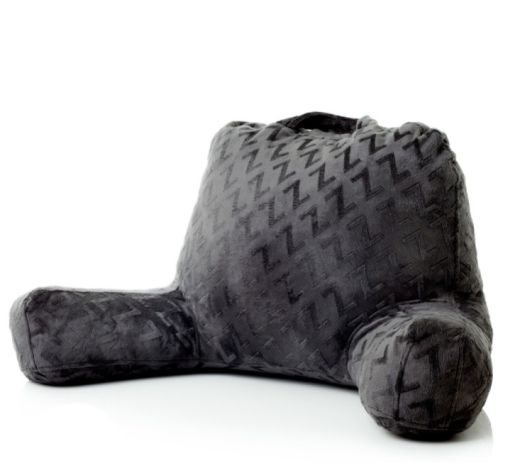
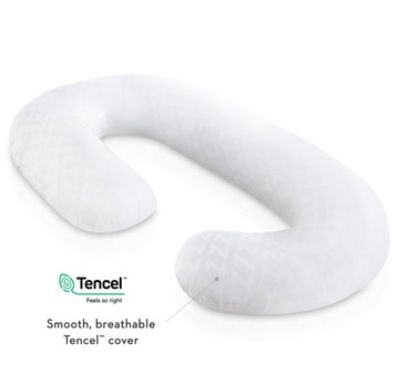
When buying a pillow, focus on support, comfort, and material. The right pillow should keep your neck aligned with your spine, which depends on your sleep position—side sleepers usually need firmer, higher pillows, while back and stomach sleepers benefit from softer, flatter ones. Consider the fill type (memory foam, down, latex, or synthetic) for both feel and durability, as well as breathability if you tend to sleep hot. Also check for hypoallergenic properties, ease of cleaning, and how well the pillow maintains its shape over time.
What type of pillow is best for my sleep position? Side sleepers need firm, thick pillows; back sleepers need medium support; stomach sleepers do best with soft, thin pillows.
Which pillow material is best? Memory foam offers support, down is soft and luxurious, latex is durable and breathable, and polyester is affordable.
How firm should my pillow be? It depends on your comfort and sleep position, but it should keep your head and neck aligned with your spine.
How often should I replace my pillow? Most pillows should be replaced every 1–2 years, depending on wear and material quality.
Are expensive pillows worth it? Higher-quality pillows often last longer and provide better support, but comfort is personal, not always tied to price.
What size pillow should I choose? Standard works for most people, but queen or king sizes are better for larger beds or if you move a lot.
Do cooling pillows really work? Yes, some use breathable materials or gel layers to help regulate temperature and reduce heat buildup.
Are hypoallergenic pillows necessary? They’re a good choice if you have allergies or sensitivities to dust mites or certain materials.
Can I wash my pillow? Many pillows are washable, but always check care instructions—some require special cleaning.
How do I know if a pillow is right for me? If you wake up without neck pain and feel well-rested, your pillow is likely a good fit.