What Mattress Firmness for Side Sleepers?
What Mattress Firmness for Side Sleepers?
If you sleep on your side and wake up with a sore shoulder, a tight lower back, or that familiar numb arm, your mattress may be working against you. A big part of the fix is figuring out what mattress firmness for side sleepers actually feels supportive without feeling hard.
Side sleeping is one of the most common and healthiest sleep positions, but it puts more pressure on a few key areas than back or stomach sleeping. Your shoulders and hips carry much of your body weight, so a mattress that is too firm can create pressure points. One that is too soft can let your spine dip out of alignment. The sweet spot usually falls somewhere in the middle, but the best feel depends on your body, mattress materials, and whether you sleep alone or with a partner.
What mattress firmness for side sleepers usually works best
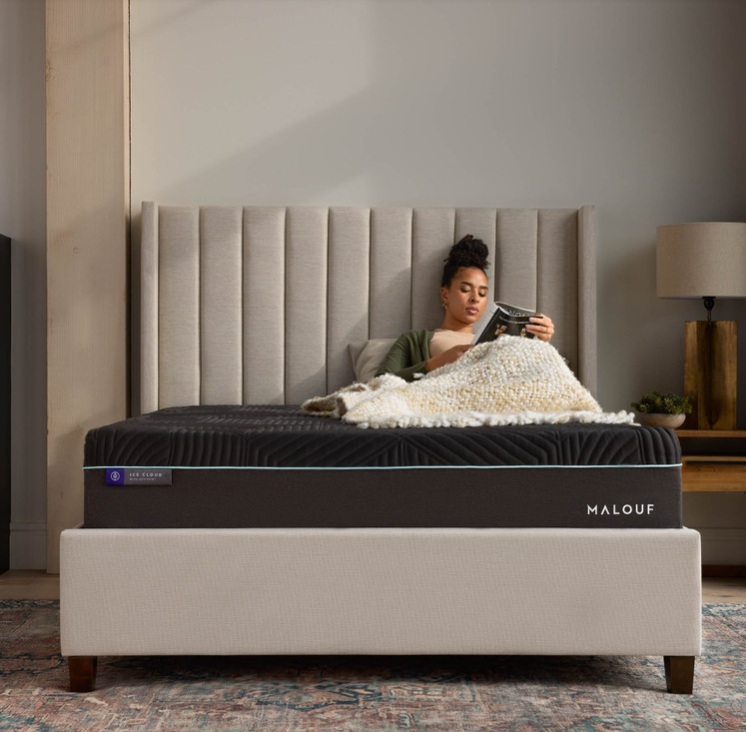
For most side sleepers, a medium to medium-soft mattress feels best. On the standard firmness scale from 1 to 10, that usually means around a 4 to 6. This range tends to give enough cushioning at the shoulders and hips while still supporting the waist and lower back.
That said, not every side sleeper needs the same feel. A lighter person may need a softer surface to get enough contouring. A heavier sleeper often needs something a bit firmer to keep from sinking too far. Couples can also land in a different place than solo sleepers because two bodies create a different support equation.
This is why firmness labels matter, but they do not tell the whole story. A medium memory foam mattress and a medium hybrid can feel very different even if both carry the same rating.
Why side sleepers need pressure relief and alignment
The challenge with side sleeping is balancing cushion and support at the same time. Your mattress should let your shoulder and hip sink in enough to avoid pressure buildup, but not so much that your midsection drops and twists your spine.
When that balance is off, the signs show up quickly. Too firm often feels like shoulder pain, hip tenderness, and tossing from side to side. Too soft often feels like back strain, a hammock-like dip, or the sense that getting out of bed takes more effort than it should.
A good side-sleeper mattress helps keep your spine in a more neutral line from your neck to your lower back. It also reduces pressure points that interrupt deep sleep. That is a big reason people sometimes think they need a new pillow or a better sleep routine when the real issue starts with the mattress underneath them.
Body weight changes the ideal firmness
Body weight has a major effect on how firm a mattress feels.
If you weigh under about 130 pounds, a mattress will usually feel firmer to you than it does to someone heavier. Many lighter side sleepers do best on soft to medium mattresses, around a 3 to 5 on the firmness scale. That extra softness helps the shoulder and hip settle in enough to get pressure relief.
If you weigh between 130 and 230 pounds, medium-soft to medium-firm is often the most comfortable range. This is where many side sleepers find the best mix of contouring and support, especially in quality foam or hybrid designs.
If you weigh over 230 pounds, medium-firm to firm can work better. That does not mean hard. It means supportive enough to prevent too much sinkage while still offering enough cushioning in the comfort layers. A well-built hybrid or latex mattress is often a strong fit here because it can feel supportive without feeling flat.
Shoulder and hip pain can point to the wrong feel
If your shoulder feels pinched or your hips ache in the morning, your mattress may be too firm. Side sleepers need enough give in the top layers to reduce sharp pressure at those wider joints.
If your lower back hurts instead, your mattress may be too soft or worn out. When the heavier parts of your body sink too deeply, your spine can fall out of alignment overnight.
Sometimes shoppers assume pain means they need the softest bed possible. Usually that is not the answer. The goal is pressure relief with support, not just plushness.
Mattress materials matter as much as firmness
When shoppers ask what mattress firmness for side sleepers is best, they are often really asking about feel. That is where materials come in.
Memory foam is popular with side sleepers because it contours closely and eases pressure around the shoulders and hips. It can be a great choice if you like a gently cradled feel. The trade-off is that some memory foam beds feel slower to respond, which not everyone loves, especially combination sleepers who change positions often.
Hybrid mattresses are a favorite for many side sleepers because they blend cushioning comfort layers with supportive coils underneath. This can create a nice balance of pressure relief, airflow, edge support, and easier movement. For couples, hybrids often check a lot of boxes.
Latex mattresses tend to feel more buoyant and responsive than memory foam. They can work beautifully for side sleepers who want contouring without that deep sink-in sensation. Natural latex also appeals to shoppers looking for durable, more eco-conscious options.
Traditional innerspring mattresses can work for side sleepers, but they usually need enough comfort padding on top. A very firm coil mattress without substantial cushioning is often too rigid at the shoulders and hips.
How couples should choose a firmness
If one of you sleeps on your side and the other sleeps on their back or stomach, firmness gets more complicated. In many of these cases, a true medium or medium-firm hybrid becomes the most practical choice. It can offer enough pressure relief for the side sleeper while still giving the other partner solid support.
Body size also matters here. If one partner is much lighter or heavier than the other, the same mattress can feel very different to each person. This is where personalized guidance can save a lot of frustration. In some cases, a split adjustable setup or a mattress designed for stronger motion control makes more sense than trying to force one feel to work for two very different sleepers.
Don’t forget the pillow and base
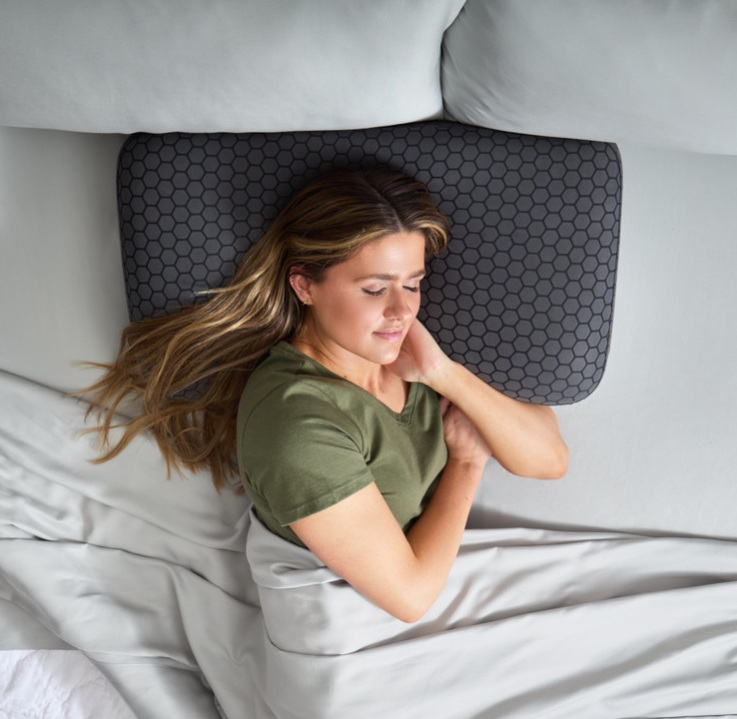
Even the right mattress can feel wrong if your pillow is off. Side sleepers usually need a pillow with enough loft to fill the space between the head and shoulder, helping keep the neck aligned with the rest of the spine.
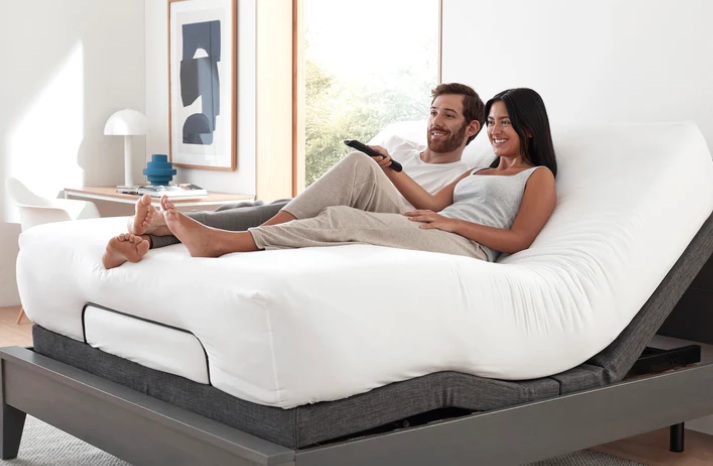
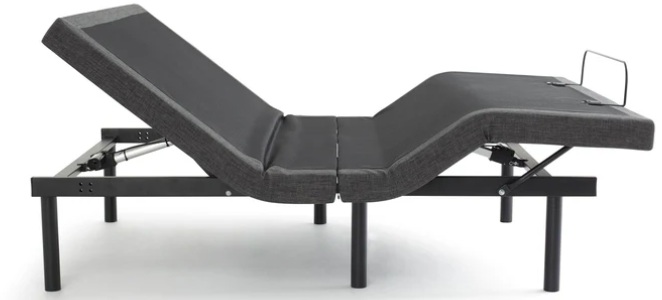
Your foundation matters too. An old, sagging base can change how a mattress performs, making it feel less supportive than it should. Adjustable bases can also be helpful for some sleepers, especially those who deal with snoring, pressure buildup, or simply want more comfort for reading and relaxing in bed.
Signs you’ve found the right firmness
The right mattress for a side sleeper usually feels comfortable in a very specific way. Your shoulder and hip settle in without feeling jammed. Your waist feels supported rather than suspended. You are not fighting the mattress to change positions, and you are not climbing out of a body-shaped dip in the morning.
Good support should feel almost quiet. You notice it less because your body is not sending complaints all night.
A practical way to test firmness in-store
If you are shopping in person, lie on your side for at least 10 to 15 minutes, not just 30 seconds on the edge of the bed. Bring your usual sleep position into the test. Pay attention to whether your shoulder feels pressure, whether your hips sink too far, and whether your lower back feels supported.
If you shop with a partner, test together. Motion transfer, edge support, and shared comfort can feel very different once both sleepers are on the mattress.
At Aww Sleep, this is where a curated showroom can make the process feel less overwhelming. Instead of guessing from a label, you can compare materials, comfort levels, and support styles in a way that makes the choice clearer.
The most common mistake side sleepers make
The biggest mistake is choosing based on firmness name alone. “Plush,” “medium,” and “firm” are helpful starting points, but they are not universal standards. One brand’s medium may feel softer or firmer than another’s, and construction changes everything.
The second mistake is overcorrecting. If your current mattress is too hard, it is tempting to go extremely soft. For most side sleepers, the better move is balanced comfort - enough softness for pressure relief, enough support for alignment, and materials that match how you like a mattress to feel.
If you are asking what mattress firmness for side sleepers is right for you, the safest answer is usually medium to medium-soft, adjusted for your weight, pain points, and preferred feel. A mattress should help your body relax, not force it to brace itself through the night. When the fit is right, bedtime gets easier, mornings feel better, and sleep starts doing what it is supposed to do.